
Your child has a gift the world needs.
Learning That Meets Children Where They Are
Students move forward through understanding and mastery, not simply because the calendar says it is time. As an educator, one of the greatest frustrations in a traditional classroom is the pervasive expectation that students must move forward whether or not they have mastered a previous concept. Sal Khan uses his now-famous house-building analogy in his TED Talk where he compares it to the traditional public school education system’s problematic approach to grading, report cards and automatic grade-level progressions. You can view the video here.
At Crestline, a child may be advanced in one subject while continuing to build skills in another…because real learning is rarely one-size-fits-all! Crestline combines direct instruction, personalized pacing, project-based learning, and mastery-based assessment. Students are not left alone to “figure it out,” and they are not ‘pushed through’ content they have not mastered. Students are also encouraged to soar into more challenging concepts earlier to stay challenged within their learning frontier.
Our academic model includes:
Component What It Looks Like at Crestline:
Direct Instruction Students receive explicit teaching in core academic skills
Personalized Practice Students work at the right level with guided support and immediate feedback
Small-Group Instruction Students receive targeted lessons based on need and readiness, including enrichment
Mastery Checks Students demonstrate understanding before moving forward
Projects & Presentations Students apply learning in meaningful, real-world ways
Writing Samples Students build a portfolio of written work across the year
Growth Monitoring Families receive progress updates through assessments, rubrics, and “GPS” conferences
More Than Academic Growth
Students also build the real-life skills that support long-term confidence, independence, and success.
Planning and organization
Communication and collaboration
Self-regulation and problem solving
Leadership and responsibility
Faith and character development
5th & 6th Graders: A Strong Bridge to Middle School
For upper elementary students, Crestline focuses on academic ownership, writing confidence, math mastery, executive functioning, leadership, presentation skills, and faith-rooted character development. Students are supported in becoming more independent while still receiving the close guidance they need before middle school.
5th/6th Grade Focus: What Crestline Provides:
Reading: Novel studies, comprehension, vocabulary, Socratic discussion, inference, theme, author’s craft
Writing: Paragraph construction, essays, responses, revision, grammar, sentence fluency, evidence-based writing
Math: Daily math instruction, personalized pacing, problem solving, fluency, gap repair, enrichment
Social Studies: Inquiry projects, research, experiments, presentations, real-world connections
Executive Functioning: Planner use, goal setting, task initiation, project management, organization, time management, self-reflection
Projects: Research, presentations, real-world application
Faith & Character: Biblical worldview, integrity, service, responsibility, compassion, perseverance
Middle School Readiness: Independence, communication, academic stamina, self-advocacy, leadership
How We Know Your Child Is Growing
At Crestline, progress is not a mystery. Families receive a clear picture of academic growth, executive functioning development, confidence, independence, and character.
Parents receive:
Progress Tool: When It Happens What It Shows:
i-Ready Diagnostic Beginning and end of year Reading and math growth
Writing Portfolio Ongoing Written expression, organization, grammar, evidence, revision
Project Rubrics Each project cycle Content understanding, creativity, collaboration, communication
Executive Functioning Goals Weekly/bi-weekly Organization, planning, task completion, reflection
GPS Meetings 3 times per year Guide-Parent-Student progress review
Parent Check-Ins Every two weeks Strengths, concerns, next steps, celebrations
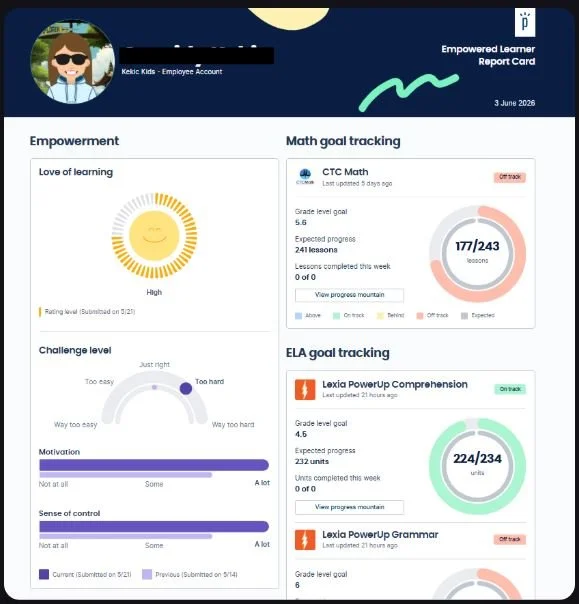
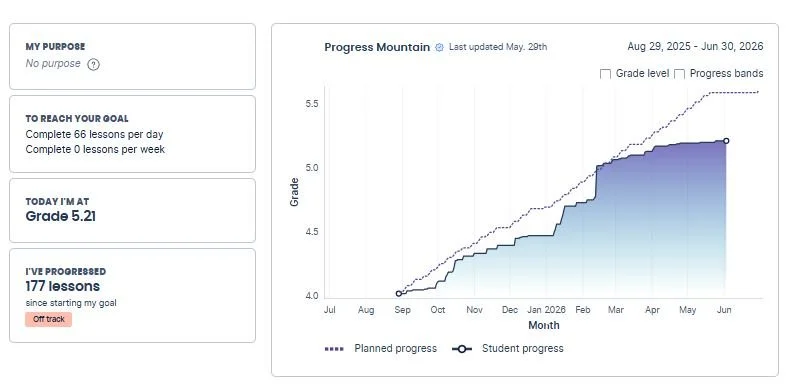
Empowerment Report Anytime: parents log into their portal Real-time progress check listed by subject.
You will not have to wonder, “Is my child actually learning?” We will show you.
Here are a few examples of what you will see when you log into your child’s portal:
Intentionally Small. Designed for Growth.
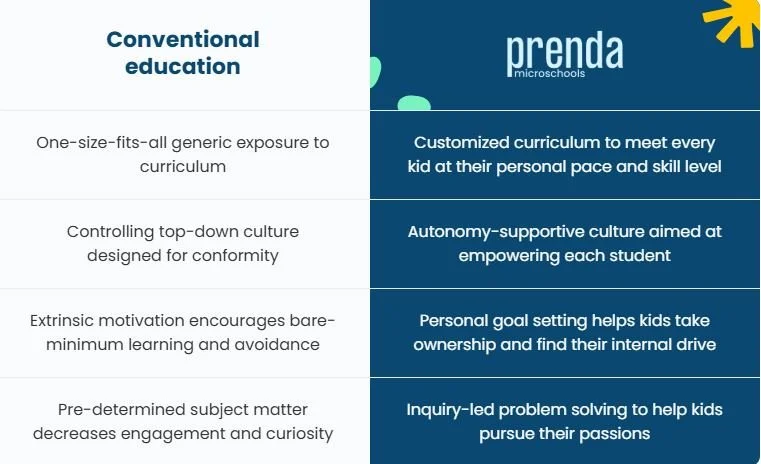
Many bright, curious children struggle in traditional classrooms, not because they lack ability, but because the environment does not fit how they learn best.
Crestline Learning Collective is a small Christian microschool for grades K–6 where students receive daily math, science, social studies, writing, and literacy instruction, personalized pacing, executive functioning coaching, project-based learning, and measurable academic growth in an 8:1 environment. All taught within a physiology-first approach to learning.
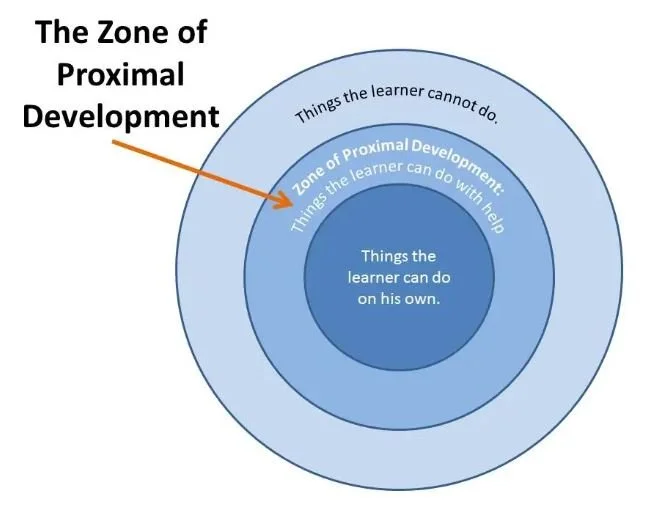
At Crestline, students learn through Prenda’s personalized research-based curriculum in intentionally small groups, where they are supported and challenged daily in the zone we call their “learning frontier”. This learning frontier idea is based on psychologist Lev Vygotsky’s concept called Zone of Proximal Development. which says that there are things a learner can do on his own, things he can learn to do with help, and things he cannot do yet. At Crestline Learning Collective, we aim to help students stay within their learning frontier - the space where growth happens - while embracing the power of “yet.”
Let’s help them unlock it!
Real-World Fridays
Fridays are not our “days off!” Are we having fun? Absolutely. Are students learning and connecting concepts to real life and our community? Absolutely. ‘Real World’ Fridays is arguably the coolest and most unique aspect of Crestline Learning Collective! They are important application days that connect learning to real life where students extend their learning through field studies, service projects, community partnerships, nature-based learning, local history, entrepreneurship, STEM experiences, and reflection.
A Real-World Friday example may include:
Experience: Academic Connection:
Nature preserve visit Ecosystems, observation, scientific writing
Local business visit Economics, entrepreneurship, communication
Museum or historical site Social studies, inquiry, research
Service project Faith, character, civic responsibility
STEM lab or maker challenge Engineering, collaboration, problem solving
Community interview Speaking, listening, note-taking, writing
Before and after each experience, students prepare, participate, and reflect. Real-world learning is connected to our academic goals, not treated as a break from them. Because children are not designed to sit indoors at desks all day! We do not confuse personalization with academic looseness. Personalized learning at Crestline means each student has clear individual goals, clear expectations, regular daily feedback, and trackable, measurable progress. Crestline is not a softer education. It is a smaller, more intentional education.
Accredited Program
✳︎
Enrolling K-6 for 2026-27
✳︎
8:1 Student-Guide Ratio
✳︎
TEFA Approved
✳︎
'Real World' Friday Field Trips
✳︎
Personalized Christian Education
✳︎
Accredited Program ✳︎ Enrolling K-6 for 2026-27 ✳︎ 8:1 Student-Guide Ratio ✳︎ TEFA Approved ✳︎ 'Real World' Friday Field Trips ✳︎ Personalized Christian Education ✳︎
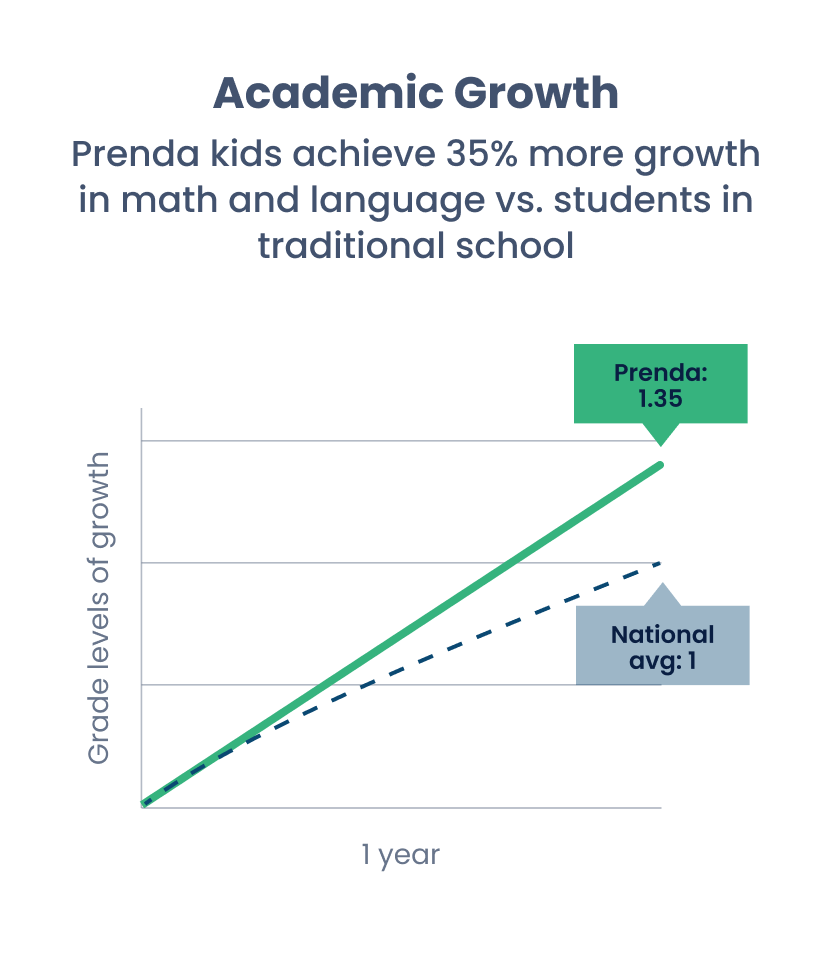
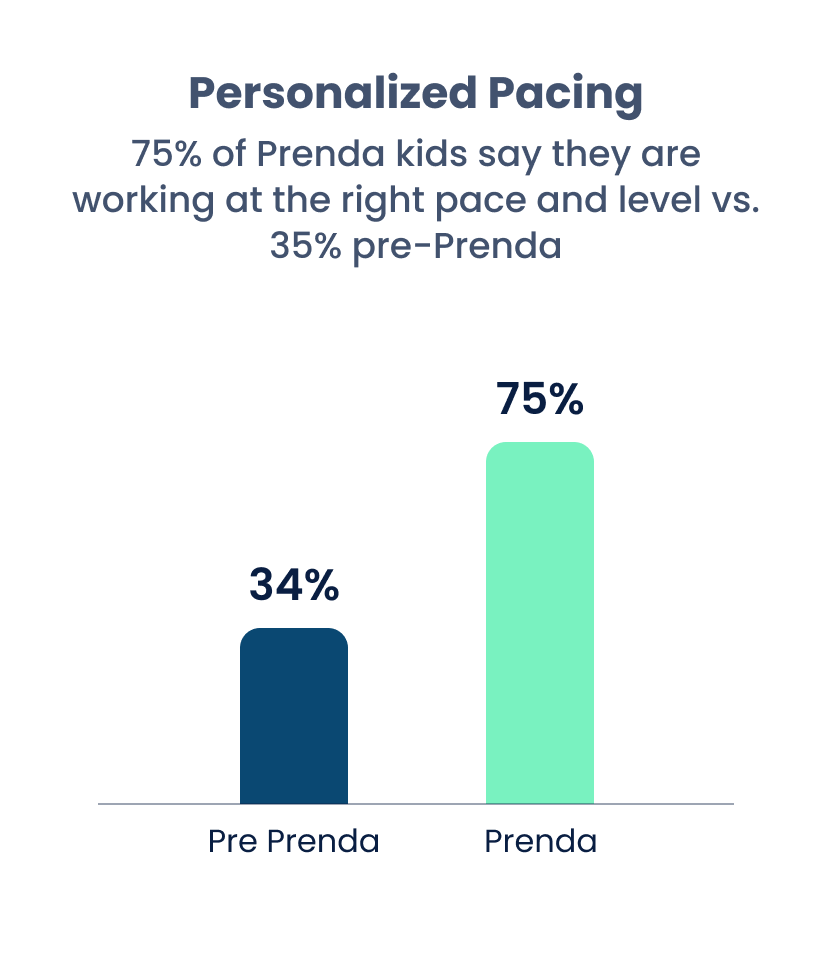
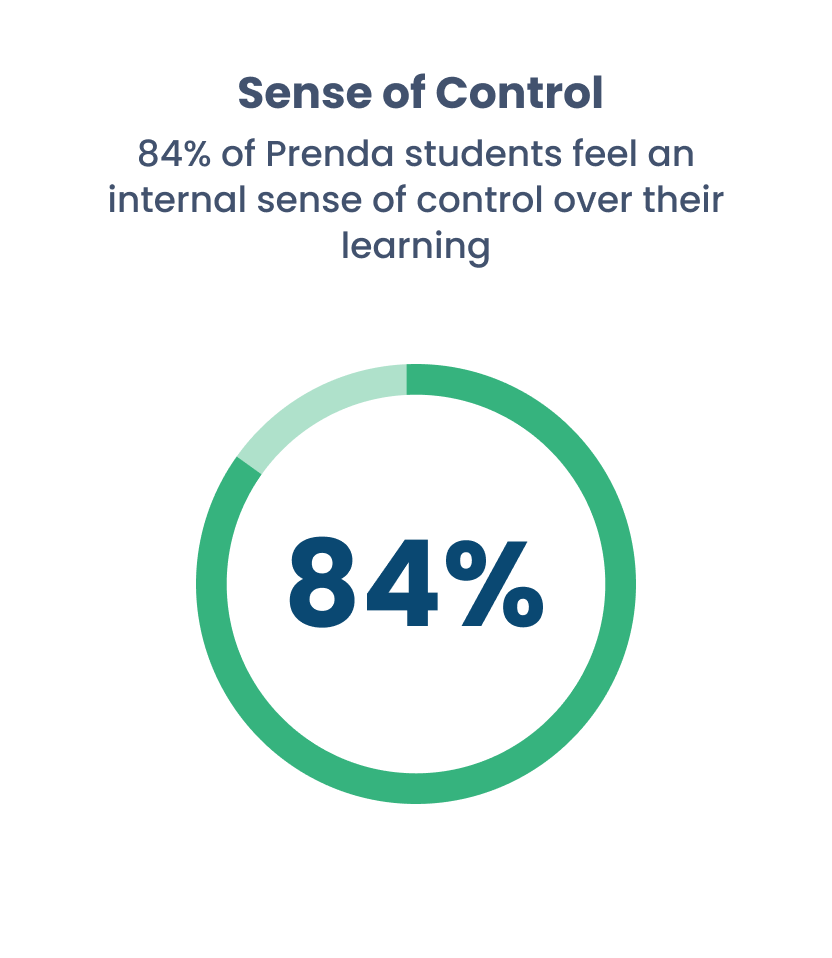
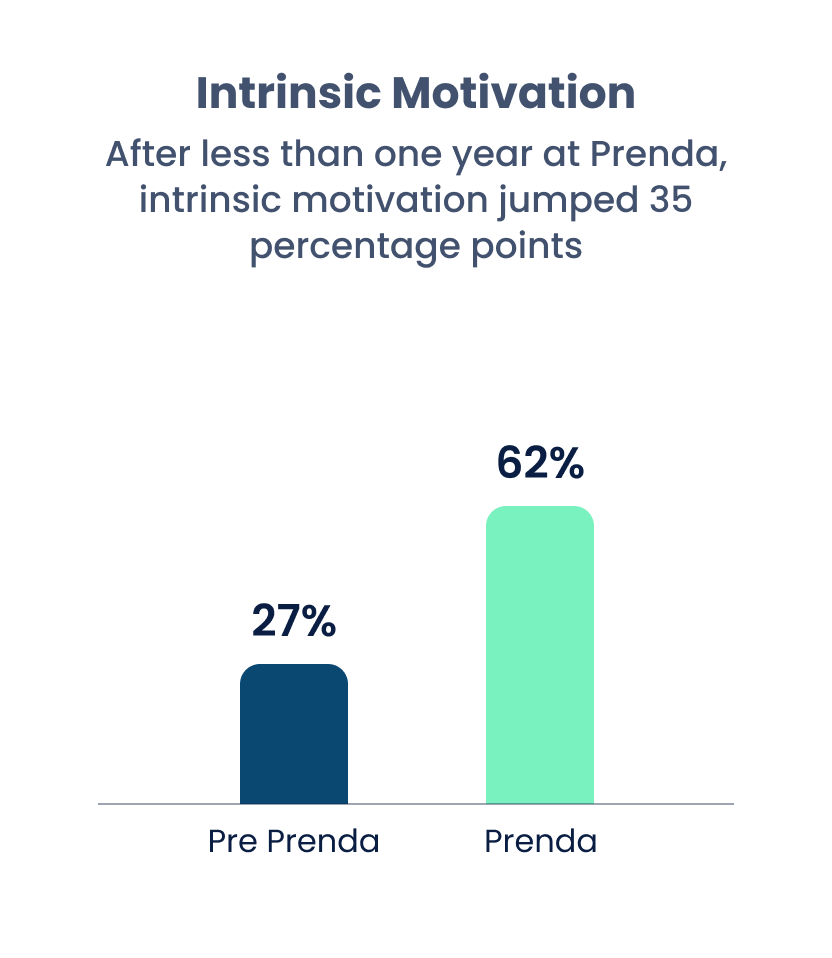
Crestline Learning Collective powered by Prenda drives engagement and academic growth
-
![Crestline Prenda Results]()
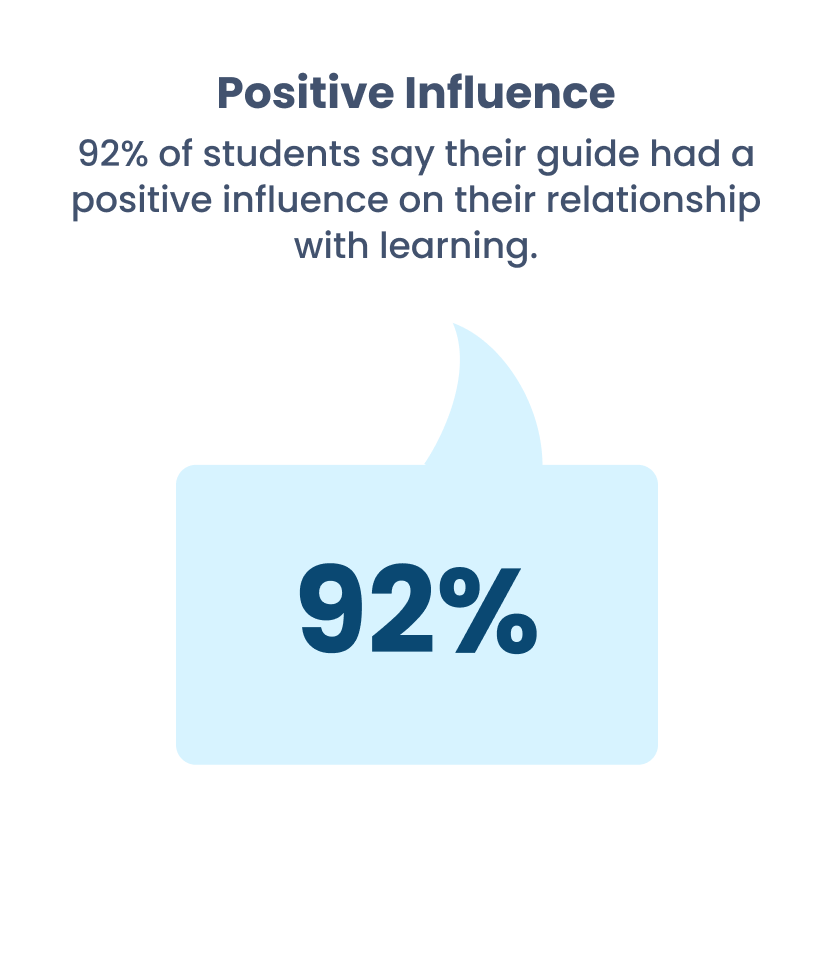
TEACHER TO STUDENT INFLUENCE
-
![CRESTLINE WITH PRENDA]()
STUDENT ACADEMIC GROWTH
-
![CRESTLINE WITH PRENDA]()
STUDENT PERSONALIZED PACING
-
![STUDENT VOICE AND CHOICE]()
STUDENT RATING OF VOICE AND CHOICE
-
![CRESTLINE INTRINSIC MOTIVATION]()
STUDENT INTRINSIC MOTIVATION
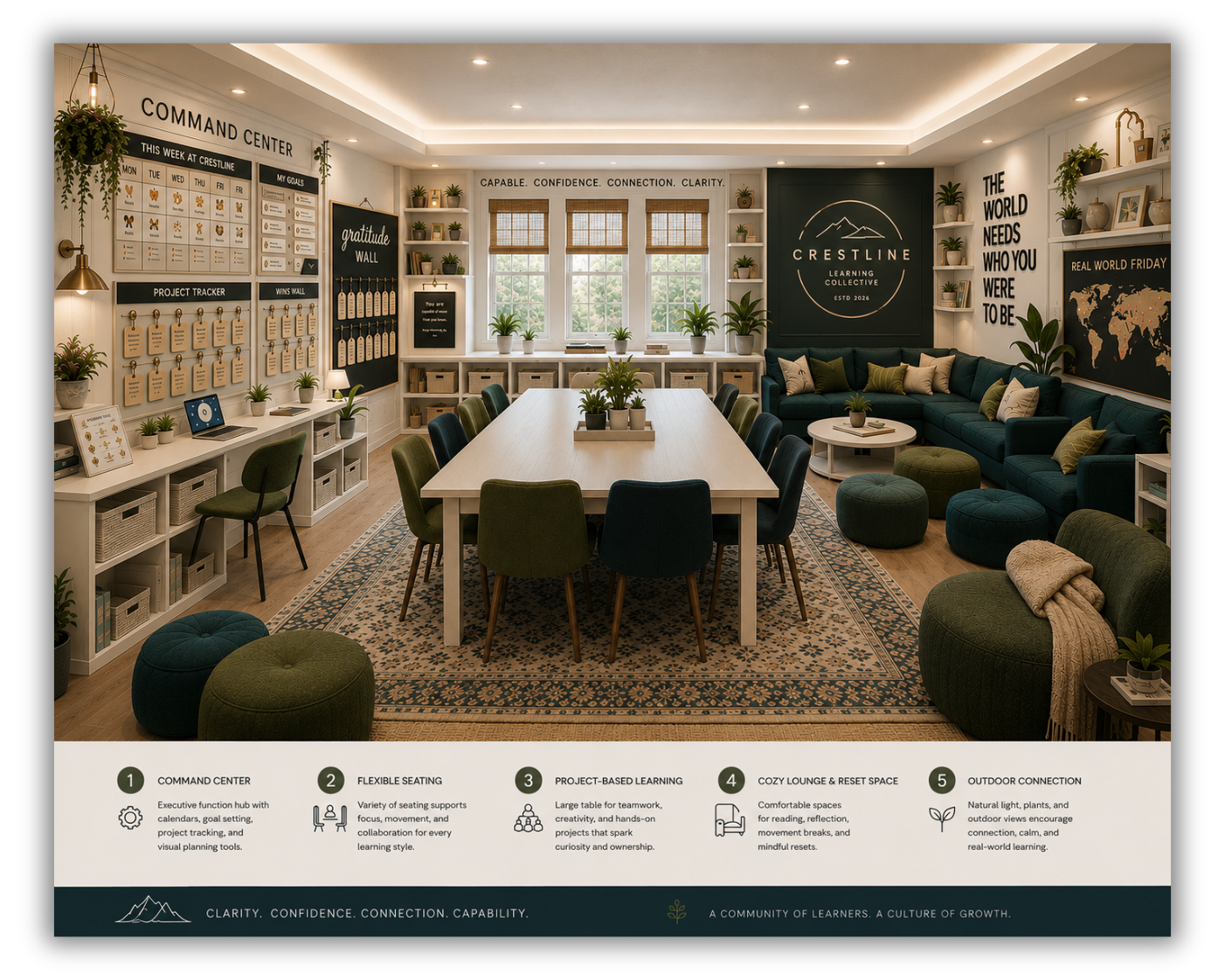
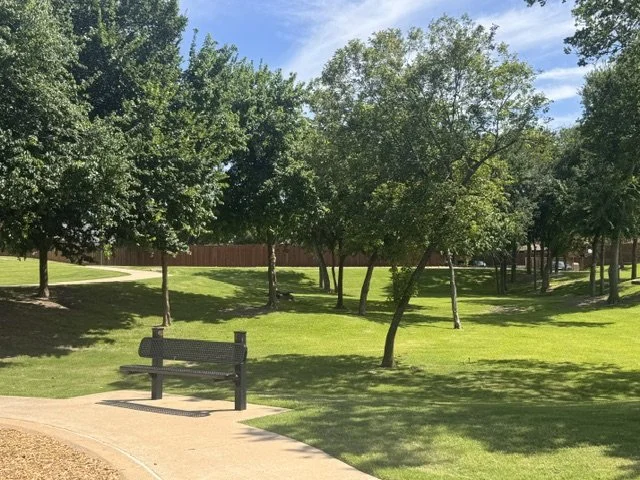
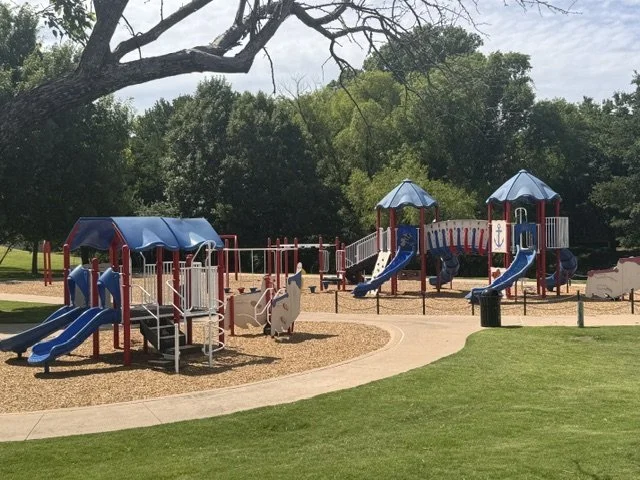
meet the learning spaceS
Is your child:
Bright but disengaged in traditional school
Bright but lacks motivation
Needs more flexibility or challenge
Capable but would benefit from executive functioning support
Loves creativity, projects, and hands-on learning
Feels bored in traditional classroom settings
Thrives with strong relationships and individualized attention
Crestline May Be the Right Fit If You Want:
A smaller, calmer, intentional home-based learning environment
Strong academics without a high-pressure school culture
A Christian worldview woven into character and learning
More personalized instruction than a traditional classroom can offer
A guide who knows your child
Support for executive functioning, confidence, and independence
Real-world learning beyond the classroom! (STUDENTS LOVE THIS ONE!)
A school that values curiosity, creativity, responsibility, and growth
A bridge into middle school that protects your child’s love of learning
An exemption from state-mandated public school STAAR testing
An exemption from state-mandated attendance requirements (Families with students on Select/Travel sports leagues LOVE this!)
Crestline May Not Be the Right Fit If You Want:
A large traditional campus with competitive sports
A conventional report-card-driven model
A highly standardized, one-size-fits-all classroom
A drop-off-only experience with minimal parent communication
A school where every student does the exact same lesson at the exact same pace
WHY FAMILIES CHOOSE CRESTLINE:
Meaningful academic growth! Students using Prenda’s research-backed and evidence-based curriculum consistently show over 1.5 years’ worth of academic growth in one traditional school year
8:1 student-guide ratio
Personalized academics and flexible pacing where students can soar beyond their ‘grade level’ and are not held back by other students who might need more support
Executive functioning and emotional support
Daily faith & character development
‘Real-World Fridays’ weekly field experiences and applied learning
Monthly service days that are faith-rooted and support student community engagement
Calm, relationship-centered home-based hybrid environment
Project-based learning focused on inquiry, research, creativity, and presentations
Frequent parent communication and collaboration
Looking for Something Different for Your Child?
Many bright learners don’t need more pressure. They need an environment where they are:
Understood
Challenged appropriately
Supported as whole children
Crestline intentionally keeps enrollment small so students can build confidence, connection, and a genuine love of learning! Kids deserve to love school!
Because Crestline Learning Collective is intentionally small, we begin with a thoughtful parent conversation to understand your child’s strengths, challenges, and learning needs.
Low-pressure. Personalized. Limited enrollment.
Khan Academy
Let's Teach for Mastery - Not Test Scores
Would you choose to build a house on top of an unfinished foundation? Of course not. Why, then, do we rush students through education when they haven't always grasped the basics? Yes, it's complicated, but educator Sal Khan shares his plan to turn struggling students into scholars by helping them master concepts at their own pace.
Sal Khan
Angela Lee Duckworth
University of Pennsylvania
Grit: The Power of Passion and Perseverance
Leaving a high-flying job in consulting, Angela Lee Duckworth took a job teaching math to seventh graders in a New York public school. She quickly realized that IQ wasn't the only thing separating the successful students from those who struggled. Here, she explains her theory of "grit" as a predictor of success.
British Author and Orator
Do schools kill creativity?
Sir Ken Robinson outlines 3 principles crucial for the human mind to flourish - and how current education culture works against them. In a funny, stirring talk he tells us how to get out of the educational "death valley" we now face, and how to nurture our youngest generations with a climate of possibility.
sir Ken Robinson
Dr. Catlin Tucker
Stand Together
Education Reimagined: Student-led Learning
Record numbers of teachers are leaving the profession, and too many students report negative feelings about school. Dr. Catlin Tucker addresses the urgent need to reimagine education and create more effective, equitable, and student-led learning environments. It’s time to transform classrooms into collaborative spaces where educators work alongside students, creating a more sustainable and fulfilling teaching and learning experience for everyone. Dr. Catlin Tucker is a bestselling author, international trainer, and keynote speaker. She was named Teacher of the Year in 2010 in Sonoma County, where she taught for 16 years.
carol dweck
Stanford University
Developing a Growth Mindset
Should you tell your kids they are smart or talented? Professor Carol Dweck answers this question and more, as she talks about her groundbreaking work on developing mindsets. She emphasizes the power of "yet" in helping students succeed in and out of the classroom.
Kelly Smith
Stand Together
What is a Microschool?
Kelly Smith, an MIT-trained engineer, transformed his concerns about traditional education into a solution: microschools. Motivated by his children's experiences, Smith founded an educational tech startup promoting an alternative, learner-centered model.