Conventional education is no longer serving our kids
THE CHALLENGE
A lot of families feel this, even in strong school districts: something about school doesn’t ‘feel right.’
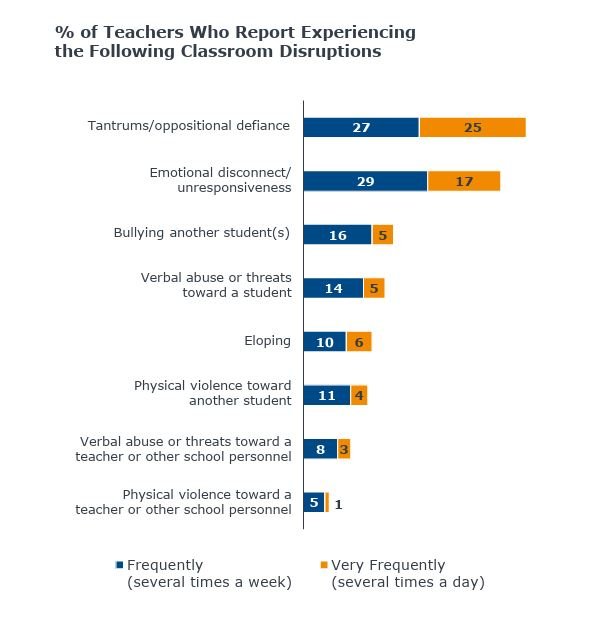
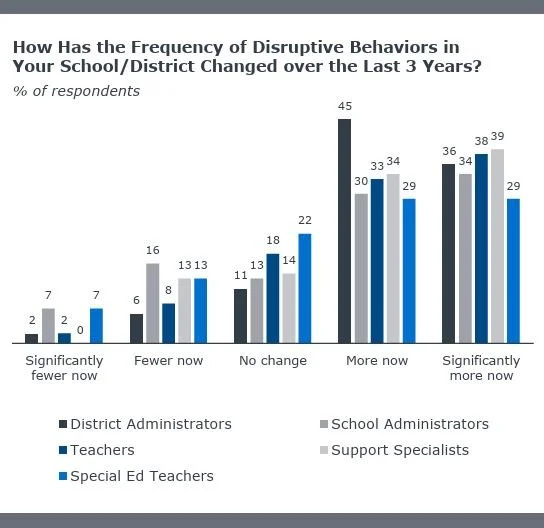
Their child may be bright and capable, yet they still come home drained, discouraged, or disconnected from learning. And parents are not imagining the shift: Teachers are now dealing with far more attention challenges, disruption, and significant behavior concerns than we were just a few years ago. This affects the learning environment for everyone, even the children who are doing their best to stay on track. Your child may not be the one causing disruptions, but classroom misbehavior still affects every student’s ability to learn, and it comes at a high cost for all learners. Despite disruptions, most students are still expected to move forward with the calendar, whether they have truly mastered the material or not.
At the same time, gifted learners are often left waiting, under-challenged, bored, or given more of the same work instead of deeper work. In many of our local districts, gifted education often means just one hour of pull-out support each week, while the rest of a child’s challenge and growth is expected to happen in their classroom, which is designed for everyone else. Important skills like planning, organization, and self-regulation are expected, but rarely directly taught. With ever-increasing class sizes driven by budget cuts and teacher shortages, it becomes harder for students to be truly seen and supported, and learning can feel rushed, impersonal, and completely disconnected from their little lives.
If your child needs extra support, the process can feel painfully slow. Teachers are often required to collect long-term data and provide interventions for extended periods before additional services are finally approved, while evaluations and testing can take months to complete after the approval. That delay can be especially costly for children with dyslexia, dysgraphia, and dyscalculia because well-established research shows that early, effective intervention in the primary grades is one of the strongest predictors of better reading outcomes and that the earlier support begins, the better the chance of closing gaps. When support is so delayed, those valuable instructional windows begin to close, and it is so often the child who pays the price with widening learning gaps, growing shame, and a deepening sense that school is just not for them.
At the same time, many students are expected to spend six to seven hours a day at a desk, with minimal movement, very limited recess, and far too little time outdoors. Add in the pressure of performance, high-stakes testing, rote memorization, and a school culture that can feel rushed and rigid, and it is no surprise that so many children feel anxious, shut down, or completely disconnected from their learning. This loss of confidence in school can be heartbreaking for a parent to witness.
For many families, the question becomes less about “What’s wrong with my child?” and more about “What if this just isn’t the right environment?”
-
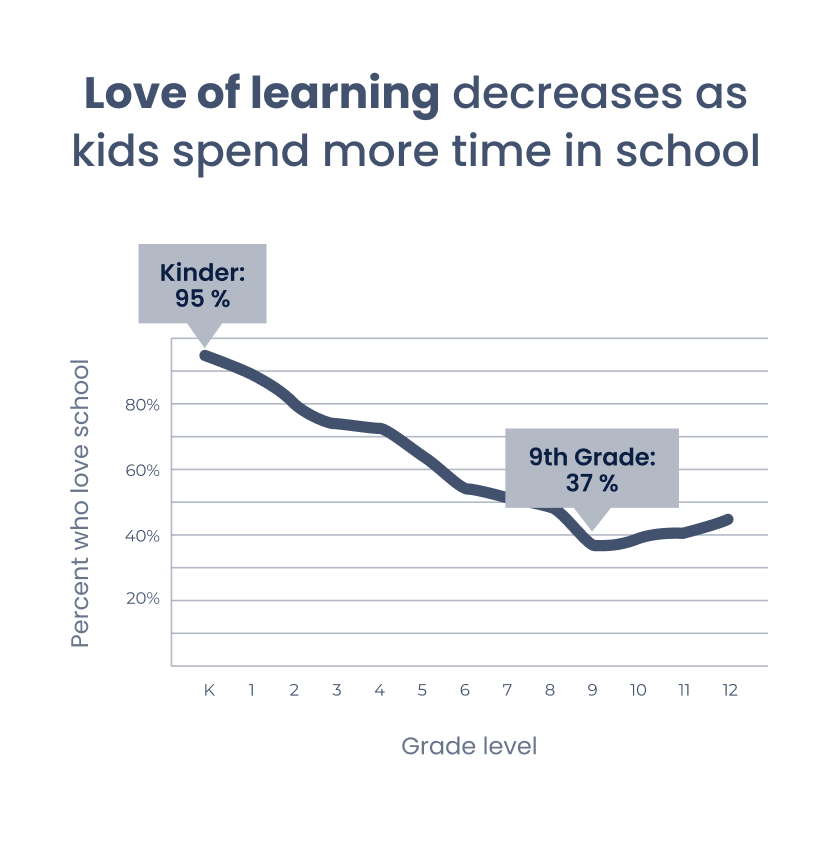
![Love of learning decreases as kids spend more time in school.]()
SOURCE: Jenkins
-
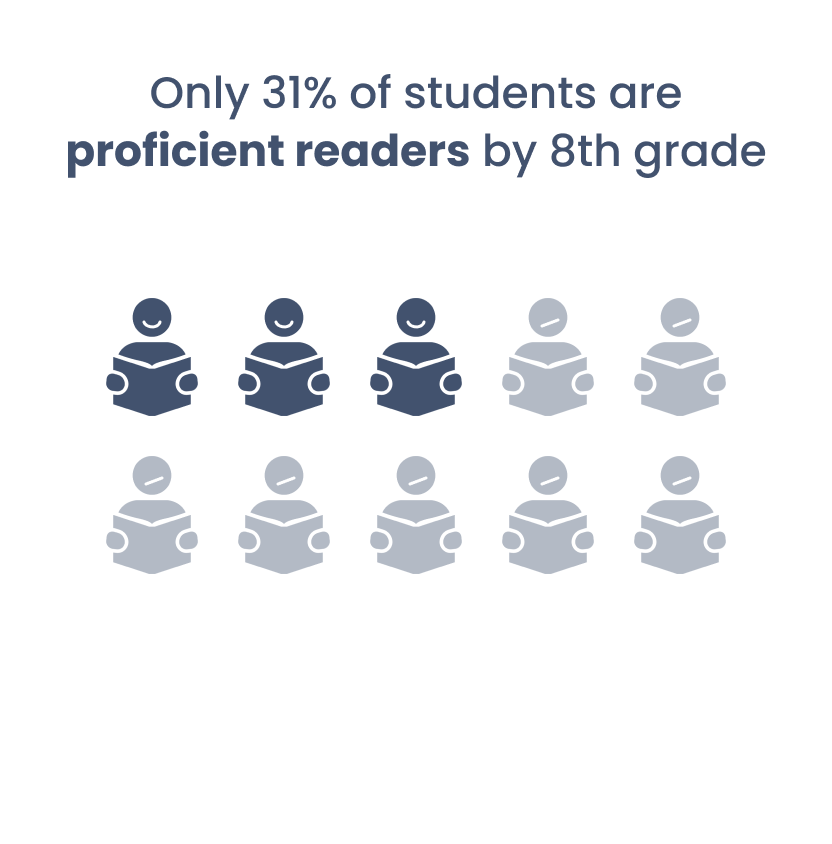
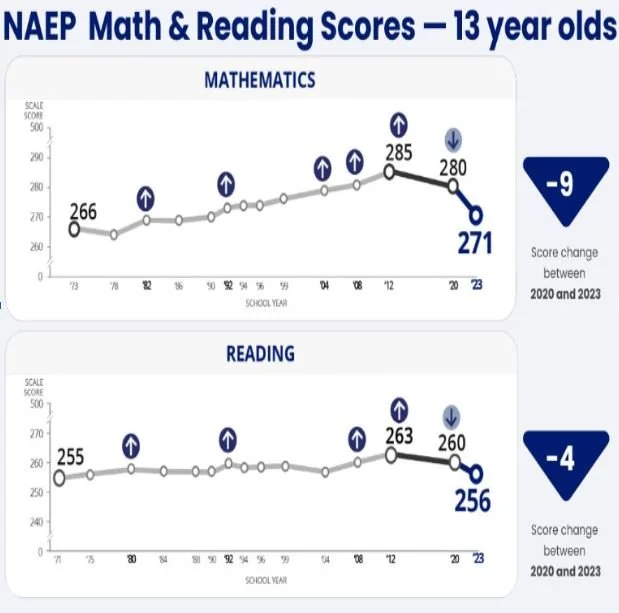
![Only 31% of students are proficient readers by 8th grade, and national scores have fallen again according to the NAEP.]()
SOURCE: NAPE
-
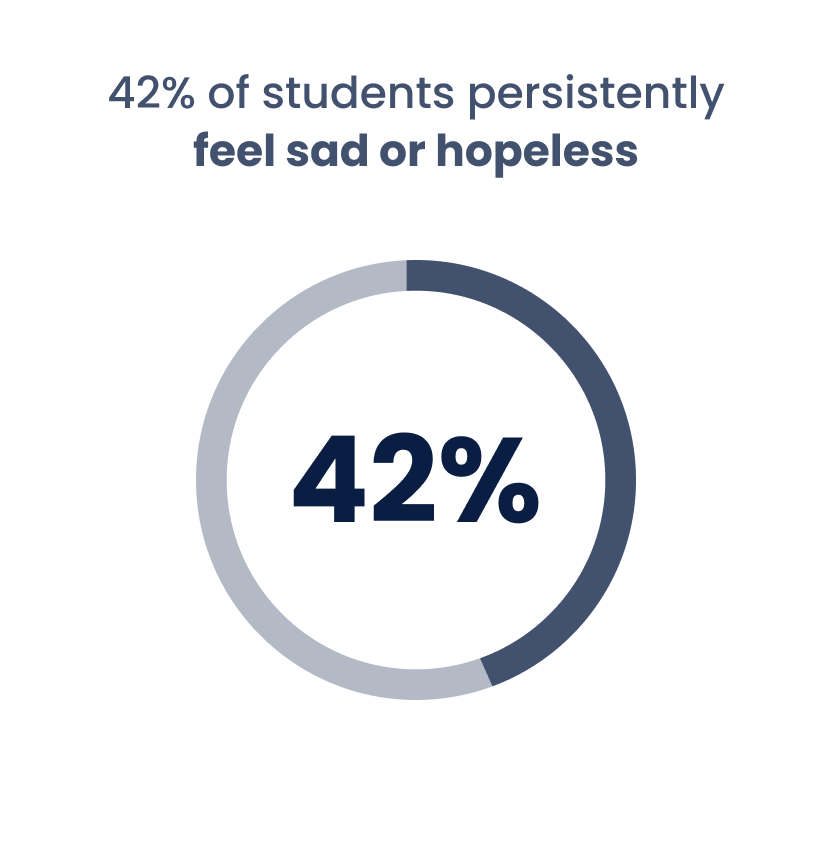
![42% of students persistently feel sad or hopeless during their academic years.]()
SOURCE: CDC
-
![% of Teachers Who Report Experiencing Classroom Disruptions in Public Elementary School]()
SOURCE: EAB
-
![Teachers report increase in various student behavioral issues.]()
SOURCE: EAB
-
![Nation’s Report Card Shows Largest Drops Ever Recorded in 8th Grade Math and Reading.]()
SOURCE: NAEP
Is your child:
Bright but disengaged in traditional school
Bright but lacks motivation
Needs more flexibility or challenge
Capable but would benefit from executive functioning support
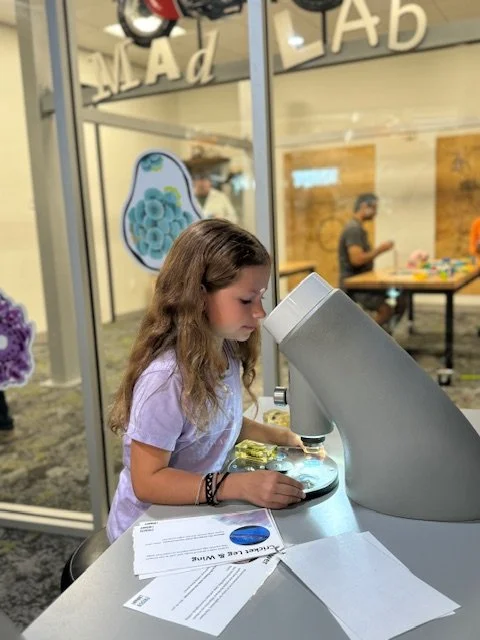
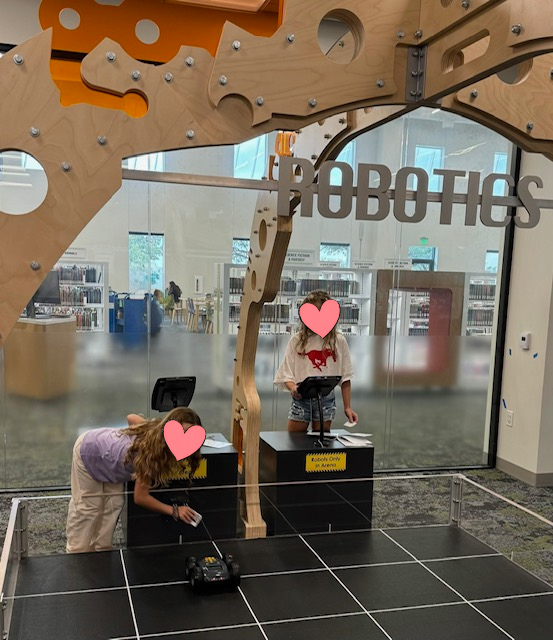
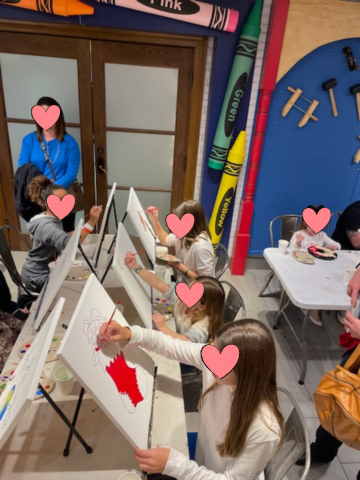
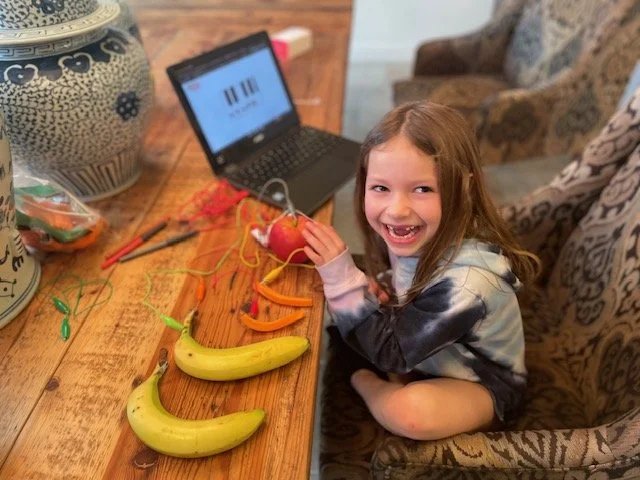
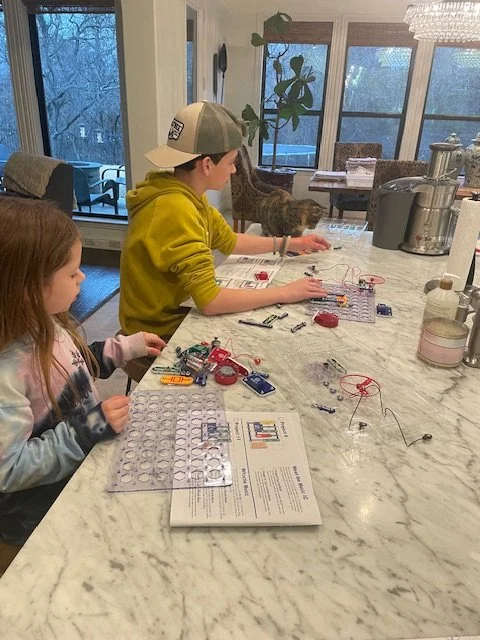
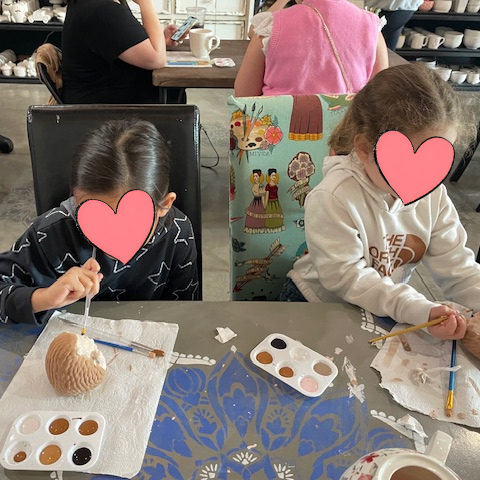
Loves creativity, projects, and hands-on learning
Feels bored in traditional classroom settings
Thrives with strong relationships and individualized attention
Crestline May Be the Right Fit If You Want:
A smaller, calmer, intentional home-based learning environment
Strong academics without a high-pressure school culture
A Christian worldview woven into character and learning
More personalized instruction than a traditional classroom can offer
A guide who knows your child
Support for executive functioning, confidence, and independence
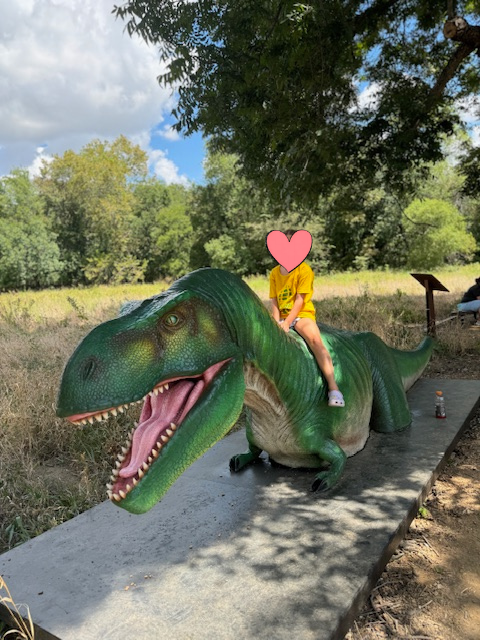
Real-world learning beyond the classroom! (STUDENTS LOVE THIS ONE!)
A school that values curiosity, creativity, responsibility, and growth
A bridge into middle school that protects your child’s love of learning
An exemption from the state-mandated public school STAAR testing
Crestline May Not Be the Right Fit If You Want:
A large traditional campus with competitive sports
A conventional report-card-driven model
A highly standardized, one-size-fits-all classroom
A drop-off-only experience with minimal parent communication
A school where every student does the exact same lesson at the exact same pace
WHY FAMILIES CHOOSE CRESTLINE:
Meaningful academic growth! Students using Prenda’s research-backed and evidence-based curriculum consistently show over 1.5 years’ worth of academic growth in one traditional school year
8:1 student-guide ratio
Personalized academics and flexible pacing where students can soar beyond their ‘grade level’ and are not held back by other students who might need more support
Executive functioning and emotional support
Daily faith & character development
‘Real-World Fridays’ weekly field experiences and applied learning
Monthly service days that are faith-rooted and support student community engagement
Calm, relationship-centered home-based hybrid environment
Project-based learning focused on inquiry, research, creativity, and presentations
Frequent parent communication and collaboration
Looking for Something Different for Your Child?
Many bright learners don’t need more pressure. They need an environment where they are:
Understood
Challenged appropriately
Supported as whole children
Crestline intentionally keeps enrollment small so students can build confidence, connection, and a genuine love of learning! Kids deserve to love school!
Because Crestline Learning Collective is intentionally small, we begin with a thoughtful parent conversation to understand your child’s strengths, challenges, and learning needs.
Low-pressure. Personalized. Limited enrollment.